
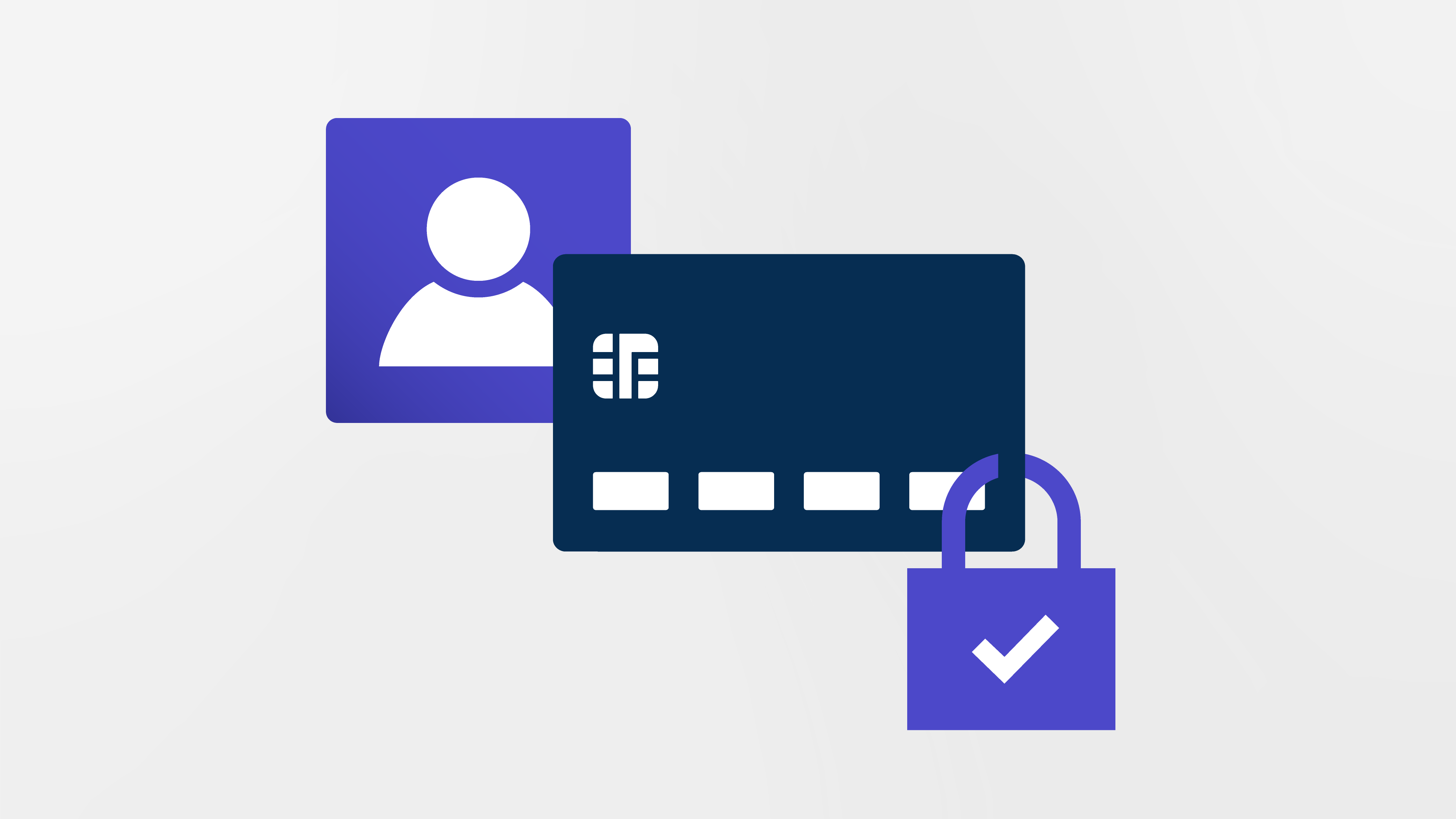
EMV 3-D Secure 2.0: Does It Reduce Chargebacks?
Does 3DS2 reduce chargebacks? Learn how EMV 3-D Secure 2.0 works, where it helps (and doesn’t), and how to implement it effectively.

How EMV 3-D Secure 2.0 Helps Merchants Reduce Chargebacks
Online fraud continues to drive up chargeback costs for merchants, especially in card-not-present environments. EMV 3-D Secure 2.0 (3DS2) was built to change that, giving issuers better insight into transaction risk and shifting fraud liability away from the merchant when the right conditions are met.
For merchants handling thousands of digital transactions every month, 3DS2 can be a valuable way to reduce exposure to unauthorized use, false fraud claims, and bank-initiated disputes. But it’s not a silver bullet. Its real value comes when it’s implemented strategically and supported by other chargeback prevention measures.
What is 3DS2?
3DS2 is an authentication protocol designed to enhance security for online card payments. It adds an extra layer of verification to online transactions and replaces the outdated 3DS1 protocol, which relied on pop-up windows and browser redirects. That legacy process created friction and caused many customers to abandon the checkout flow. In contrast, 3DS2 uses dynamic, behind-the-scenes data sharing to help the card issuer assess transaction risk in real time.
The protocol passes over 100 data points—device info, billing address, transaction value, customer history, and more—to the issuer. If the transaction appears low-risk, it’s approved without any customer interaction. If the issuer needs more certainty, it can challenge the transaction using a one-time code, fingerprint scan, or push notification. This structure lets most legitimate purchases go through uninterrupted while providing better fraud screening when something looks off.
Most 3DS2 transactions go through without any customer prompts, preserving the user experience. This “frictionless flow” has helped merchants improve both fraud prevention and conversion rates, especially in mobile environments.
Where 3DS2 Helps (and Where It Doesn’t)
Protecting Against True Fraud and Friendly Fraud
3DS2 is most effective at stopping card-not-present fraud. By authenticating the cardholder before a transaction is authorized, it blocks unauthorized use and prevents many disputes from happening at all.
Even if fraud does occur after authentication, the liability typically shifts to the issuer instead of the merchant. This means the merchant avoids the chargeback fee, revenue loss, and dispute count. For friendly fraud, where a cardholder falsely claims they didn’t authorize a purchase, 3DS2 makes it easier for issuers to deny the dispute outright.
Merchants who implement 3DS2 effectively often see meaningful drops in their fraud-related chargeback rates, especially on high-risk or high-value transactions.
What 3DS2 Doesn’t Cover
3DS2 is not a defense against disputes tied to fulfillment or customer service. It won’t protect merchants from claims like:
- Items not received.
- Billing descriptor confusion.
- Product dissatisfaction.
- Late or unprocessed refunds.
These disputes still result in chargebacks and count against your ratio unless resolved through other means. Tools like RDR, pre-dispute alerts, and fast support response remain essential for containing this type of post-purchase risk.
Implementing 3DS2: Where and When to Use It
While EMV 3DS2 is now widely supported by issuers, how merchants implement it still matters. In some markets, it’s required by regulation. In others, it’s optional, but failure to use it in the right moments can leave merchants exposed to fraud, false declines, or unnecessary conversion losses.
In Regulated Markets, It’s Mandatory
In regions like the EU, UK, and India, EMV 3DS2 is required under Strong Customer Authentication (SCA) rules. Merchants in these markets don’t get to choose when to use it; nearly all CNP transactions must be authenticated unless they meet strict exemption criteria.
That makes 3DS2 table stakes. The focus in these regions isn’t on whether to use it, but how to ensure it works well. Merchants need to minimize challenge failures, avoid authentication timeouts, and preserve conversion during issuer handoffs. Payment providers in these regions usually offer baked-in support, but the technical setup still matters.
In Optional Markets, Smart Targeting is Key
In countries like the U.S., 3DS2 is optional. That gives merchants flexibility to choose when authentication is needed, and when it will do more harm than good.
Some merchants take a conservative approach, enabling 3DS2 on every CNP transaction. But broad application increases friction and can hurt conversion unnecessarily. A better strategy is to apply 3DS2 conditionally, based on risk signals.
For example, you might enable 3DS2 for:
- First-time buyers
- High-dollar orders
- Mismatched billing and shipping addresses
Suspicious device or browser activity
Meanwhile, repeat customers with established payment history might be routed through without any additional verification. This approach lets merchants reduce fraud exposure while preserving conversion across their core customer base.
Mobile and App Checkout Requires Special Attention
3DS2 also applies to in-app purchases and mobile web flows. But mobile environments introduce new challenges.
If your payment SDK doesn’t support in-app 3DS challenges, users might be forced into a browser redirect, breaking the experience. Similarly, modal-based web implementations must render properly on small screens, or the challenge process may fail or stall.
Make sure your 3DS2 integration supports responsive challenge frames, and test across devices and operating systems. A misstep in mobile UX can erase the benefits of authentication entirely.
Not All Issuers Behave the Same
Issuer performance can impact how well 3DS2 works. Some banks have fast, intuitive ACS systems that support biometric authentication or app-based push prompts. Others use clunky SMS codes or redirect customers to slow-loading challenge pages.
Merchants should monitor authentication success rates by issuer. If a particular bank is consistently triggering failed authentications or abandoned checkouts, that’s a red flag. Some gateways allow merchants to steer traffic away from poorly performing issuers or downgrade to non-3DS flows when the customer experience is at risk.
Post-Launch Monitoring Makes or Breaks ROI
3DS2 is not a plug-and-play solution. Once it’s live, the real work begins. Merchants should monitor:
- Authentication success rates
- Frictionless vs. challenge flows
- Challenge failure and abandonment rates
- Authorization rates before and after 3DS2
- Issuer-specific trends and failure points
These metrics will reveal whether 3DS2 is helping or hurting. If challenge failure rates are high or conversion is slipping, merchants can refine their routing logic, adjust risk thresholds, or escalate issues to payment providers.
3DS2 Alone Isn’t Enough
Even with 3DS2 in place, non-fraud disputes will still occur. A chargeback from a delivery failure or billing error isn’t something 3DS2 can stop.
That’s why merchants still need RDR, Verifi/Ethoca alerts, and fast refund protocols in place. When a dispute falls outside the scope of fraud prevention, real-time resolution tools ensure it doesn’t escalate into a costly chargeback.
3DS2 works best as part of a multi-layered prevention strategy. It protects the front door from fraud while other tools manage post-purchase risk.
How ChargebackStop Makes 3DS2 Work Harder
Most merchants don’t need another dashboard. Instead, they need better orchestration. ChargebackStop helps integrate 3DS2 alongside other critical tools like RDR and alert resolution so merchants can manage fraud, reduce disputes, and stay compliant without juggling multiple vendors.
With smart rule logic, performance monitoring, and automation built in, the ChargebackStop platform ensures 3DS2 is used where it adds value, and supplemented where it doesn’t. Instead of treating 3DS2 as a standalone solution, we help you connect it to a broader chargeback prevention system designed to protect both revenue and reputation.
Want to reduce chargebacks without sacrificing revenue? Book a demo and see how ChargebackStop helps you get the most out of 3DS2 and beyond.
Chargebacks are a tax on growth
Most teams only count fees. The real cost is lost revenue, ops time & processor risk. Run your numbers instantly.
Avg. Number of Chargebacks per Month:
Avg. Transaction Value:
Start preventing & winning chargebacks.
Get a demo of our comprehensive chargeback management platform.
Book a demo